

Arista DCS-7800R3AK-36DM2-LC | 7800R3 36-Port 400G QSFP-DD Line Card, MACsec, CPU
SKU:DCS-7800R3AK-36DM2-LC
Stock Status: Enquire
Need a quote or bulk pricing? Answered within 20 minutes, Sydney business hours.
Description
Description
The Arista DCS-7800R3AK-36DM2-LC is a 36-port 400GbE QSFP-DD line card for the 7800R3 series modular data centre switch chassis. It suits large-scale spine and leaf fabrics, Internet peering, secure data centre interconnect and carrier edge and core roles where wire-speed encryption and deep buffering matter.
The card provides 36x QSFP-DD ports with 14.4 Tbps throughput (28.8 Tbps FDX) and 16 GB of port buffer. Breakout support reaches up to 144x 100G or 232x 10G/25G/50G interfaces. It is the large-routes (K) variant with an onboard CPU, and TunnelSec encryption (MACsec, IPsec and VXLANsec) is available on all ports. Typical power draw is 608 W, with a maximum of 824 W, excluding optics. It runs Arista EOS, and enabling encryption requires a licence file.
The line card fits DCS-7816L, DCS-7816, DCS-7812, DCS-7808 and DCS-7804 chassis. The QSFP-DD ports accept 400G cables and optics including CR8, AOC, SR8, DR4, XDR4, FR4, LR4, PLR4 and ZR, as well as 200G, 100G, 50G and 25G breakout options and QSFP+ at 40G.
Enquire with XS Network Tech for new or used pricing and availability.
Features
Features
Warranty
Warranty
All technical data should be verified on the manufacturer data sheets.
View full details
What is the difference between add to cart and request a quote?
Add to Cart lets you purchase in-stock products immediately at listed pricing.
Request a Quote is for customised pricing, volume-based deals, or orders that need a tailored response.
specs-tabs
Collapsible content
Technical Specifications
FAQs
Technical Specifications
FAQs
Related Products
-
 Vendor:Cisco
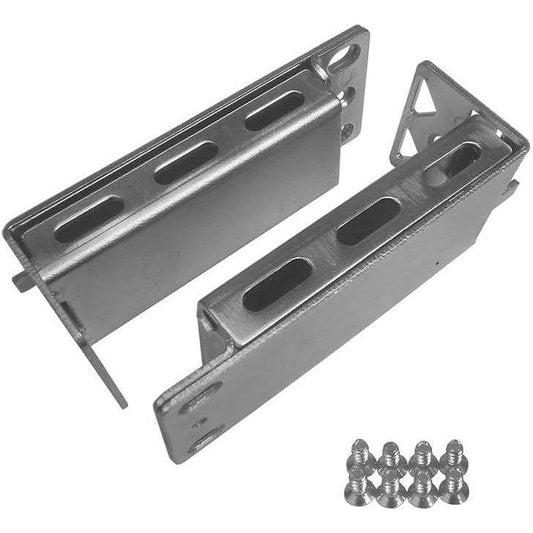
Cisco RCKMNT-CMPCT-1K | 1RU Rack Mount Kit for Compact Switches, 19in
RCKMNT-CMPCT-1K
In stock
Vendor:CiscoThis 1RU rack mount kit allows compact Cisco switches to be installed in a standard 19-inch EIA-310 ... -
 Vendor:Cisco
Cisco RCKMNT-19-CMPCT | 19-in 1RU Rackmount Kit for Compact Switches
RCKMNT-19-CMPCT
In stock
Vendor:CiscoA 19-inch, 1RU rackmount kit designed for Cisco compact switch models, allowing the switch to be ins... -
 Vendor:Cisco
Cisco RACKMNT-19-CMPACT | Catalyst 9200CX 19-Inch Rackmount Kit, Compact Switches
RACKMNT-19-CMPACT
In stock
Vendor:CiscoThis 19-inch rackmount kit is designed for Cisco Catalyst 9200CX compact access switches. It include... -
 Vendor:Cisco
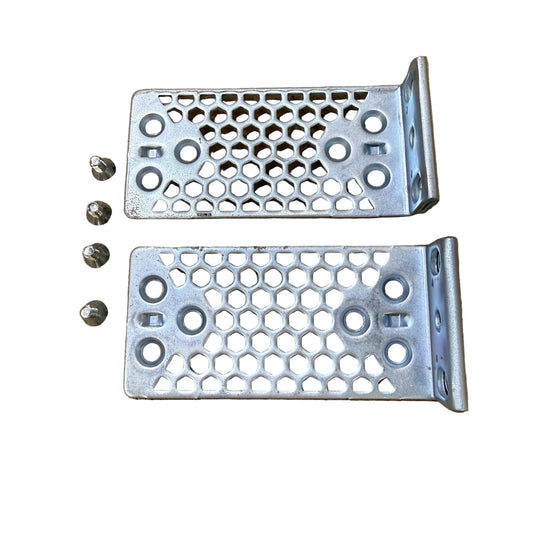
Cisco RACK-KIT-T1 | Rack Mount Kit, 19/23/24-Inch and ETSI Type 1
RACK-KIT-T1
In stock
Vendor:CiscoThis rack mount kit is designed for installing network equipment into standard equipment racks. It s... -
Vendor:Cisco
Cisco ACC-KIT-T1 | Rack Mount Kit, Type 1, Fixed Front Ears + Screws
ACC-KIT-T1
In stock
Vendor:CiscoA 19-inch rack mount kit for select Cisco network appliances, supplied with fixed front ears and a s... -
 Vendor:Cisco
Cisco C9500-ACCKITH-19I | Catalyst 9500 High-End 19" Rack Mount Kit
C9500-ACCKITH-19I
In stock
Vendor:CiscoThis 19-inch rack mount accessory kit is designed for the high-end Cisco Catalyst 9500 Series switch... -
 Vendor:Cisco
Cisco C9500-4PTH-KIT | 4-Post Rack Mount Kit for Catalyst 9500 Switch
C9500-4PTH-KIT
In stock
Vendor:CiscoThis 4-post rack mount kit is designed for installing Catalyst 9500 series switches into standard fo... -
 Vendor:Cisco
Cisco C9300L-STACK-KIT | Catalyst 9300L Stacking Kit, StackWise-320, 0.5m
C9300L-STACK-KIT
In stock
Vendor:CiscoThe Catalyst 9300L Stacking Kit is the StackWise-320 backplane stacking accessory for Catalyst 9300L...


Recently Viewed
-

Request a Quote
Looking for competitive pricing? Submit a request, and our team will provide a tailored quote that fits your needs.

